Buy pccj.eu ?
We are moving the project
pccj.eu .
Are you interested in purchasing the domain
pccj.eu ?
domain@kv-gmbh.de · 0541-91531010
Buy pccj.eu ?
What are mitochondria?
Mitochondria are membrane-bound organelles found in the cells of most eukaryotic organisms. They are often referred to as the powerhouse of the cell because they are responsible for producing the majority of the cell's energy in the form of adenosine triphosphate (ATP) through a process called cellular respiration. Mitochondria have their own DNA and are believed to have originated from ancient bacteria that were engulfed by a primitive eukaryotic cell through a process called endosymbiosis. They play a crucial role in various cellular functions, including metabolism, signaling, and cell death. **
Why are mitochondria important?
Mitochondria are important because they are the powerhouse of the cell, producing the majority of the cell's energy in the form of ATP through the process of cellular respiration. This energy is essential for various cellular functions, including growth, repair, and division. Additionally, mitochondria play a crucial role in regulating cell metabolism, signaling, and cell death. Dysfunction of mitochondria has been linked to various diseases, highlighting their importance in overall cellular health and function. **

Similar search terms for Mitochondria
Top-Angebote
Products related to Mitochondria:
-
eufy Security eufyCam 2 Pro 2K Wireless Security Camera System - 2 Cameras + HomeBase 2The eufyCam 2 Pro 2-Cam Kit is a wire-free home security camera system from eufy Security. It pairs two battery-powered eufyCam 2 Pro cameras, which record in 2K resolution, with HomeBase 2, the hub that connects the cameras to your home Wi-Fi and stores footage locally.2 x eufyCam 2 Pro 2K wireless cameras1 x HomeBase 2Rechargeable battery cameras for indoor or outdoor mountingLocal storage on HomeBase 2 — no monthly subscription neededViewed and controlled in the eufy Security app331,49 £*Shipping: 0,00 £Secure redirect to the provider
-
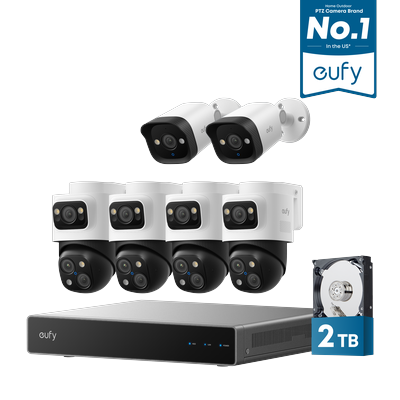
eufy PoE NVR Security System S4 Max + 2 Bullet CamerasThe Ultimate 4-Cam System: Safeguard every corner with two 4K bullet cameras for key areas, four bullet-PTZs for a wide 4K view, and one 2K PTZ for 8× zoom and seamless 360° coverage for intelligent, active monitoring. Powered by AI-ISP for vibrant...1199,99 $*Shipping: 0,00 $Secure redirect to the provider
-
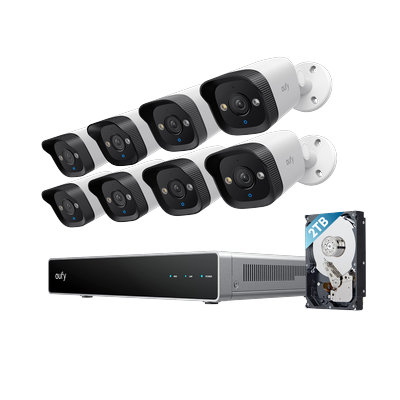
eufy PoE NVR Security System E40- 8× 4K Bullet Cameras4K UHD & 122° WIDE-ANGLE FOV: Experience stunning 4K Ultra HD resolution for incredibly sharp, lifelike video, while the wide 122° Field of View offers comprehensive coverage, perfect for capturing dynamic environments in exceptional detail...899,99 $*Shipping: 0,00 $Secure redirect to the provider
-
eufy PoE NVR Security System S4 Max + 2 Turret CamerasThe Ultimate 4-Cam System: Safeguard every corner with two 4K turret cameras for key areas, four bullet-PTZs for a wide 4K view, and one 2K PTZ for 8× zoom and seamless 360° coverage for intelligent, active monitoring. Powered by AI-ISP for vibrant...1199,99 $*Shipping: 0,00 $Secure redirect to the provider


-
How are mitochondria formed?
Mitochondria are formed through a process called mitochondrial biogenesis, which involves the growth and division of existing mitochondria. Mitochondria have their own DNA and can replicate independently of the cell's nucleus. When a cell needs more energy, it signals for the production of new mitochondria through a complex interplay of signaling pathways and regulatory proteins. This process ensures that the cell has an adequate supply of mitochondria to meet its energy demands. **
-
How did mitochondria originate?
Mitochondria are believed to have originated from a symbiotic relationship between an ancestral eukaryotic cell and an ancient prokaryotic organism, specifically an alpha-proteobacteria. This symbiotic relationship is thought to have occurred around 1.5 billion years ago, with the prokaryotic organism being engulfed by the eukaryotic cell but not digested. Over time, this prokaryotic organism evolved into the mitochondria we see in eukaryotic cells today. This theory is supported by the fact that mitochondria have their own DNA, similar to that of bacteria, and replicate independently of the host cell. **
-
What are mitochondria and chloroplasts?
Mitochondria are membrane-bound organelles found in the cells of eukaryotic organisms, responsible for producing energy in the form of ATP through cellular respiration. They have their own DNA and are thought to have originated from ancient bacteria through endosymbiosis. Chloroplasts are also membrane-bound organelles found in plant cells and some protists, responsible for photosynthesis, the process by which they convert sunlight into energy-rich molecules like glucose. Like mitochondria, chloroplasts also have their own DNA and are believed to have originated from ancient photosynthetic bacteria through endosymbiosis. **
-
Do all cells have mitochondria?
No, not all cells have mitochondria. Mitochondria are organelles found in eukaryotic cells, which are cells that have a true nucleus and membrane-bound organelles. Prokaryotic cells, such as bacteria, do not have mitochondria. Additionally, some eukaryotic cells, like red blood cells, lose their mitochondria as they mature. **


Do animal cells have mitochondria?
Yes, animal cells do have mitochondria. Mitochondria are known as the powerhouse of the cell because they are responsible for producing energy in the form of ATP through a process called cellular respiration. This organelle is found in most eukaryotic cells, including animal cells, and plays a crucial role in metabolism and energy production. **
What are mitochondria in biology?
Mitochondria are membrane-bound organelles found in the cytoplasm of eukaryotic cells. They are often referred to as the "powerhouses" of the cell because they are responsible for producing the majority of the cell's energy in the form of adenosine triphosphate (ATP) through the process of cellular respiration. Mitochondria also play a role in regulating cellular metabolism, signaling, and cell death. They contain their own DNA and are believed to have originated from an ancient symbiotic relationship between a eukaryotic cell and a prokaryotic organism. **
Top-Angebote
Products related to Mitochondria:
-
Axis T98A18-VE Outdoor Surveillance Cabinet for PTZ Cameras, IP66 IK10 NEMA 4X, WhiteThe Axis T98A18-VE is an outdoor-ready surveillance cabinet for installing Axis PTZ cameras together with their power and network equipment. It is IP66, NEMA 4X and IK10 rated, operates from -40 to +75 degrees C and has a stainless steel mounting plate, DIN rail and pre-mounted cable gaskets. Polycarbonate and stainless steel construction in white; part 5900-181.379,49 £*Shipping: 0,00 £Secure redirect to the provider
-
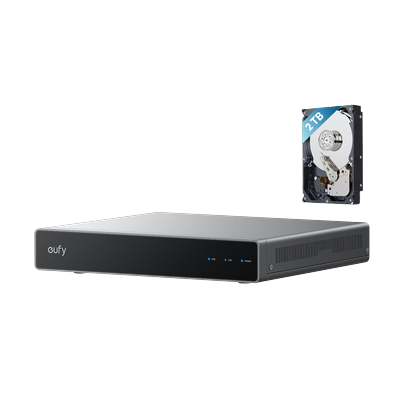
eufy Network Video Recorder S4 for Home Security CamerasLocal AI Agent: Unlock proactive, real-time security with our local AI agent, fueled by 6T/8-Core power for instant analysis, genuine threat identification, and decisive action. Customize no-go zones and alerts, enabling AI to accurately detect real...599,99 $*Shipping: 0,00 $Secure redirect to the provider
-
eufy Security eufyCam 2 Pro 2K Wireless Security Camera System - 2 Cameras + HomeBase 2The eufyCam 2 Pro 2-Cam Kit is a wire-free home security camera system from eufy Security. It pairs two battery-powered eufyCam 2 Pro cameras, which record in 2K resolution, with HomeBase 2, the hub that connects the cameras to your home Wi-Fi and stores footage locally.2 x eufyCam 2 Pro 2K wireless cameras1 x HomeBase 2Rechargeable battery cameras for indoor or outdoor mountingLocal storage on HomeBase 2 — no monthly subscription neededViewed and controlled in the eufy Security app331,49 £*Shipping: 0,00 £Secure redirect to the provider
-
eufy PoE NVR Security System S4 Max + 2 Bullet CamerasThe Ultimate 4-Cam System: Safeguard every corner with two 4K bullet cameras for key areas, four bullet-PTZs for a wide 4K view, and one 2K PTZ for 8× zoom and seamless 360° coverage for intelligent, active monitoring. Powered by AI-ISP for vibrant...1199,99 $*Shipping: 0,00 $Secure redirect to the provider
-
What are mitochondria?
Mitochondria are membrane-bound organelles found in the cells of most eukaryotic organisms. They are often referred to as the powerhouse of the cell because they are responsible for producing the majority of the cell's energy in the form of adenosine triphosphate (ATP) through a process called cellular respiration. Mitochondria have their own DNA and are believed to have originated from ancient bacteria that were engulfed by a primitive eukaryotic cell through a process called endosymbiosis. They play a crucial role in various cellular functions, including metabolism, signaling, and cell death. **
-
Why are mitochondria important?
Mitochondria are important because they are the powerhouse of the cell, producing the majority of the cell's energy in the form of ATP through the process of cellular respiration. This energy is essential for various cellular functions, including growth, repair, and division. Additionally, mitochondria play a crucial role in regulating cell metabolism, signaling, and cell death. Dysfunction of mitochondria has been linked to various diseases, highlighting their importance in overall cellular health and function. **
-
How are mitochondria formed?
Mitochondria are formed through a process called mitochondrial biogenesis, which involves the growth and division of existing mitochondria. Mitochondria have their own DNA and can replicate independently of the cell's nucleus. When a cell needs more energy, it signals for the production of new mitochondria through a complex interplay of signaling pathways and regulatory proteins. This process ensures that the cell has an adequate supply of mitochondria to meet its energy demands. **
-
How did mitochondria originate?
Mitochondria are believed to have originated from a symbiotic relationship between an ancestral eukaryotic cell and an ancient prokaryotic organism, specifically an alpha-proteobacteria. This symbiotic relationship is thought to have occurred around 1.5 billion years ago, with the prokaryotic organism being engulfed by the eukaryotic cell but not digested. Over time, this prokaryotic organism evolved into the mitochondria we see in eukaryotic cells today. This theory is supported by the fact that mitochondria have their own DNA, similar to that of bacteria, and replicate independently of the host cell. **
Similar search terms for Mitochondria
-
eufy PoE NVR Security System E40- 8× 4K Bullet Cameras4K UHD & 122° WIDE-ANGLE FOV: Experience stunning 4K Ultra HD resolution for incredibly sharp, lifelike video, while the wide 122° Field of View offers comprehensive coverage, perfect for capturing dynamic environments in exceptional detail...899,99 $*Shipping: 0,00 $Secure redirect to the provider
-
eufy PoE NVR Security System S4 Max + 2 Turret CamerasThe Ultimate 4-Cam System: Safeguard every corner with two 4K turret cameras for key areas, four bullet-PTZs for a wide 4K view, and one 2K PTZ for 8× zoom and seamless 360° coverage for intelligent, active monitoring. Powered by AI-ISP for vibrant...1199,99 $*Shipping: 0,00 $Secure redirect to the provider
-
SWANN Enforcer SWPRO-1080MQBPK2-EU Full HD DVR Security Camera Kit - 2 CamerasThe Swann Enforcer SWPRO-1080MQBPK2-EU is a wired Full HD 1080p security camera kit supplied with two cameras for use with a compatible Swann DVR. The cameras are weather-resistant for outdoor use and offer night vision, with a flashing red and blue Enforcer light to deter intruders.135,99 £*Shipping: 0,00 £Secure redirect to the provider
-
eufy 6-Cam Kit PoE NVR Security System S4 Max + 2 Turret CamerasThe Ultimate 6-Cam System: Safeguard every corner with two 4K turret cameras for key areas, six bullet-PTZs for a wide 4K view, and one 2K PTZ for 8× zoom and seamless 360° coverage for intelligent, active monitoring. Powered by AI-ISP for vibrant...1599,99 $*Shipping: 0,00 $Secure redirect to the provider
-
What are mitochondria and chloroplasts?
Mitochondria are membrane-bound organelles found in the cells of eukaryotic organisms, responsible for producing energy in the form of ATP through cellular respiration. They have their own DNA and are thought to have originated from ancient bacteria through endosymbiosis. Chloroplasts are also membrane-bound organelles found in plant cells and some protists, responsible for photosynthesis, the process by which they convert sunlight into energy-rich molecules like glucose. Like mitochondria, chloroplasts also have their own DNA and are believed to have originated from ancient photosynthetic bacteria through endosymbiosis. **
-
Do all cells have mitochondria?
No, not all cells have mitochondria. Mitochondria are organelles found in eukaryotic cells, which are cells that have a true nucleus and membrane-bound organelles. Prokaryotic cells, such as bacteria, do not have mitochondria. Additionally, some eukaryotic cells, like red blood cells, lose their mitochondria as they mature. **
-
Do animal cells have mitochondria?
Yes, animal cells do have mitochondria. Mitochondria are known as the powerhouse of the cell because they are responsible for producing energy in the form of ATP through a process called cellular respiration. This organelle is found in most eukaryotic cells, including animal cells, and plays a crucial role in metabolism and energy production. **
-
What are mitochondria in biology?
Mitochondria are membrane-bound organelles found in the cytoplasm of eukaryotic cells. They are often referred to as the "powerhouses" of the cell because they are responsible for producing the majority of the cell's energy in the form of adenosine triphosphate (ATP) through the process of cellular respiration. Mitochondria also play a role in regulating cellular metabolism, signaling, and cell death. They contain their own DNA and are believed to have originated from an ancient symbiotic relationship between a eukaryotic cell and a prokaryotic organism. **
* All prices are inclusive of VAT and, if applicable, plus shipping costs. The offer information is based on the details provided by the respective shop and is updated through automated processes. Real-time updates do not occur, so deviations can occur in individual cases. ** Note: Parts of this content were created by AI.